
Some places survive because of their history.
Others survive because of the people who keep them alive.
Ham Polo Club has both.
Founded in 1926 as Ham Common Polo Club, Ham is celebrating its centenary season in 2026 and remains London’s last surviving polo club. Set between Richmond Park and historic Ham House, it has quietly outlived many of the clubs that once formed part of London’s polo landscape.
Yet what strikes visitors first is not the history.
It is the welcome.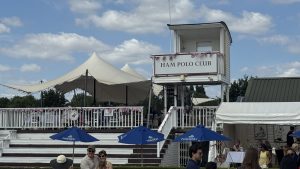
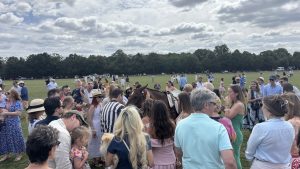
The Argentine Cup Final has become one of our favourite fixtures over the years, but this year felt different. The crowds seemed larger than ever. The picnic enclosure was alive with families, friends and groups gathering for long summer lunches. Children ran between picnic blankets, spectators settled into deckchairs and folding chairs, and the atmosphere felt less like a sporting event and more like a community celebration.
The weather played its part.
Cloud drifted lazily across the sky, occasionally giving way to warm sunshine. The ground was firm underfoot. It was one of those quintessential English summer afternoons that encourages people to stay a little longer than they intended.
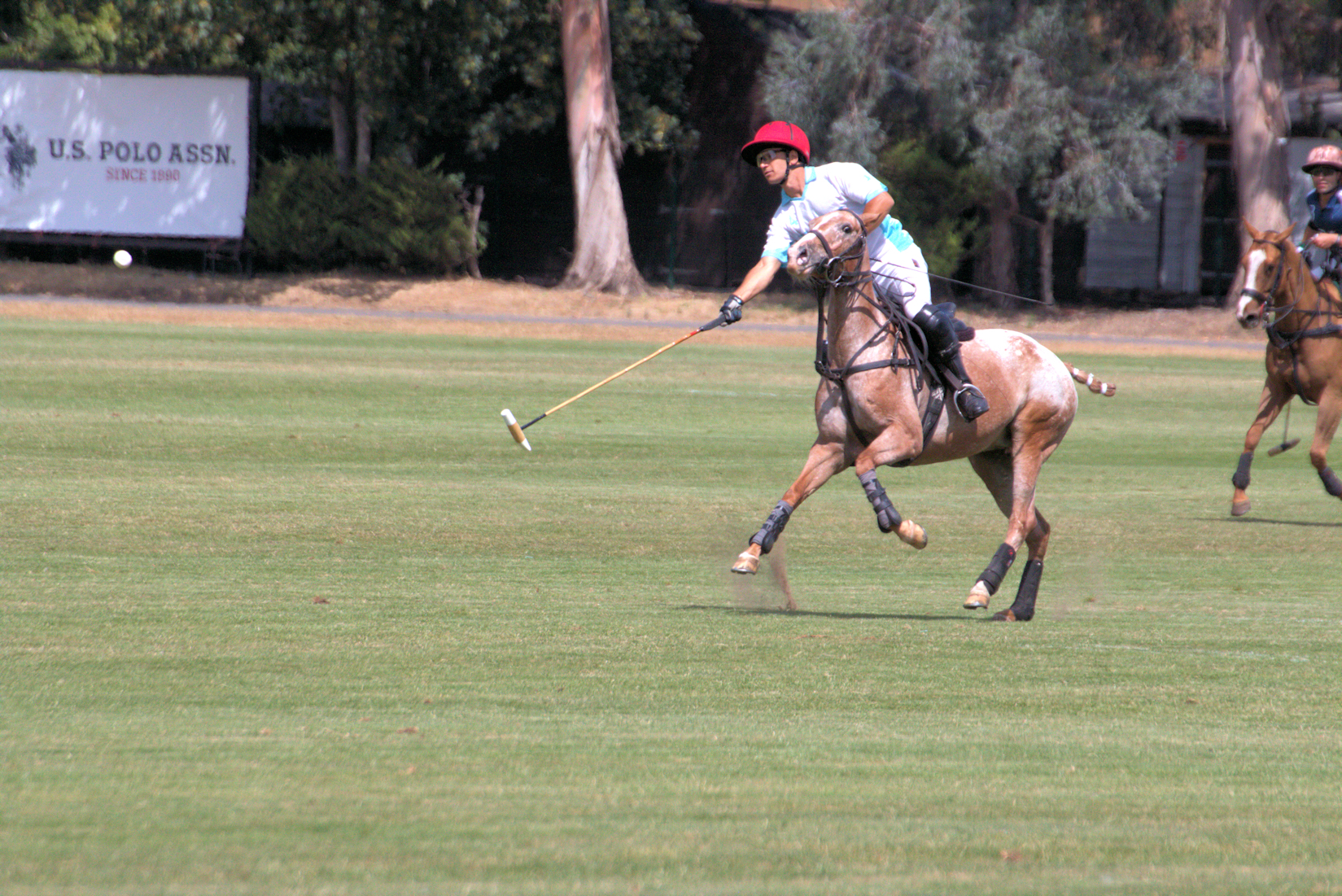
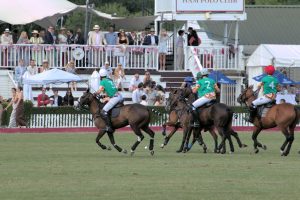
On the field, the polo delivered everything one might hope for.
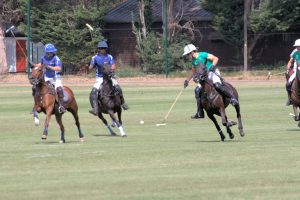
Speed, skill and horsemanship combined in the unique way only polo can. There is something extraordinary about watching horse and rider work together at speed, turning in an instant before accelerating again across the ground. Even those unfamiliar with the finer points of the rules cannot help but be impressed.
Yet, as entertaining as the action was, the real story of Ham lies beyond the boards.
One of polo’s most charming traditions comes during the interval.
As players and ponies pause for a well-earned rest, spectators are invited onto the field to participate in stomping in the divots — replacing the torn chunks of turf lifted during play. Families, children, long-time members and first-time visitors spread across the field, gently pressing the turf back into place while chatting to complete strangers.
It serves a practical purpose.
More importantly, it says something about the culture of the sport and, perhaps even more so, the culture of Ham.
There is no barrier between spectator and participant.
Everyone is invited to become part of the occasion.
That sense of inclusion seems to run through every aspect of the club.

Spend an afternoon at Ham and you may find yourself chatting with a member of the clubhouse team, then one of the grooms, and moments later in conversation with Antonino Menard, the club’s Polo Manager. There is no sense of hierarchy, no feeling that some people belong in one world while visitors remain in another.
The club simply feels open.
Approachable.
Genuinely pleased that you have come.
No description of Ham would be complete without mentioning Bakhtiyar Paraudi, known throughout the club simply as BA.
His commentary has become part of the soundtrack of Sundays at Ham. Humorous, occasionally critical, gently acerbic and always engaging, BA has a remarkable gift for bringing newcomers into the game without ever talking down to them.
Polo has often suffered from perceptions of exclusivity.
Listening to BA for an afternoon quickly dispels that notion.
His observations and stories draw people into the sport, making everyone feel included, whether they have watched polo for decades or have arrived for their very first match.
It feels entirely appropriate, then, that on the picnic side of the ground sits BA’s Bar.
The name says a great deal about Ham.
Many sporting venues might choose to name a bar after a sponsor or corporate partner.
Ham chose to celebrate one of its own.
It is a small detail, but one that captures the character of the club perfectly.
This is a place that values people as much as pedigree, participation as much as prestige.
One of BA’s favourite stories perhaps explains Ham better than any mission statement could.
Recalling how he met his wife at the club many years ago, he likes to tell the story of assuming she had come to watch him.
“I didn’t come for you,” she replied.
“I came for the ponies.”
The story invariably raises a smile.
Yet there is something wonderfully revealing about it.
People come to Ham for all sorts of reasons.
Some come for the sport.
Some come for the horses.
Some come for the atmosphere.
Some come because it simply seems like a pleasant way to spend a summer Sunday.
Whatever brings them through the gates, Ham has a remarkable ability to make them feel they belong.
That may ultimately explain why the club remains so relevant a century after its foundation.
This is, after all, a club that has been graced by royalty and some of the most respected names in the sport during its long history. Yet there is remarkably little sense of ceremony or distance about the place.
The centenary season marks one hundred years of polo at Ham.
Yet the atmosphere celebrates something far more enduring.
Children meeting ponies after the match.
Families introducing friends to the game for the first time.
Members sharing stories with visitors.
Strangers becoming neighbours for an afternoon.
Many clubs can claim history.
Far fewer can claim relevance.
Ham manages both.
One hundred years after its foundation, London’s last remaining polo club still understands something simple but important: people return to places where they feel welcome.
On a summer Sunday beside Richmond Park, surrounded by ponies, picnic blankets and a century of stories, that felt like something worth celebrating.
Visit the official website of Ham Polo Club for more information.




Leave a Reply